

The Skincare Showdown: K-Beauty vs. Medical-Grade Skincare
K-Beauty Skincare vs. Medical-Grade Skincare: What’s the Difference?
K-Beauty has become one of the biggest skincare trends in recent years, bringing innovative ingredients, beautiful packaging, and an emphasis on hydration and skin health to the forefront. But with so many products available, it’s important to understand how K-Beauty skincare differs from medical-grade skincare—and why the distinction matters.
What Is K-Beauty Skincare?
K-Beauty, or Korean Beauty, generally focuses on hydration, soothing the skin, maintaining the skin barrier, and creating a healthy-looking glow. Popular ingredients include snail mucin, centella asiatica, rice extracts, ceramides, and hyaluronic acid.
Many K-Beauty products are excellent for supporting everyday skin health and can be a great addition to a skincare routine. However, the primary goal is often maintaining and improving the appearance of the skin rather than aggressively treating specific concerns.
What Is Medical-Grade Skincare?
Medical-grade skincare is formulated with a stronger focus on targeted treatment and correcting specific skin concernssuch as acne, hyperpigmentation, sun damage, fine lines, and signs of aging.
These products often contain clinically studied active ingredients at concentrations designed to produce measurable changes in the skin. Because of this, medical-grade skincare is frequently recommended based on an individual's skin type, concerns, and treatment goals.
K-Beauty vs. Medical-Grade: Which Is Better?
It isn't necessarily about one being "better" than the other. They serve different purposes.
K-Beauty can be fantastic for hydration, soothing, barrier support, and maintaining healthy-looking skin. Medical-grade products are typically more focused on corrective skincare and treating specific concerns.
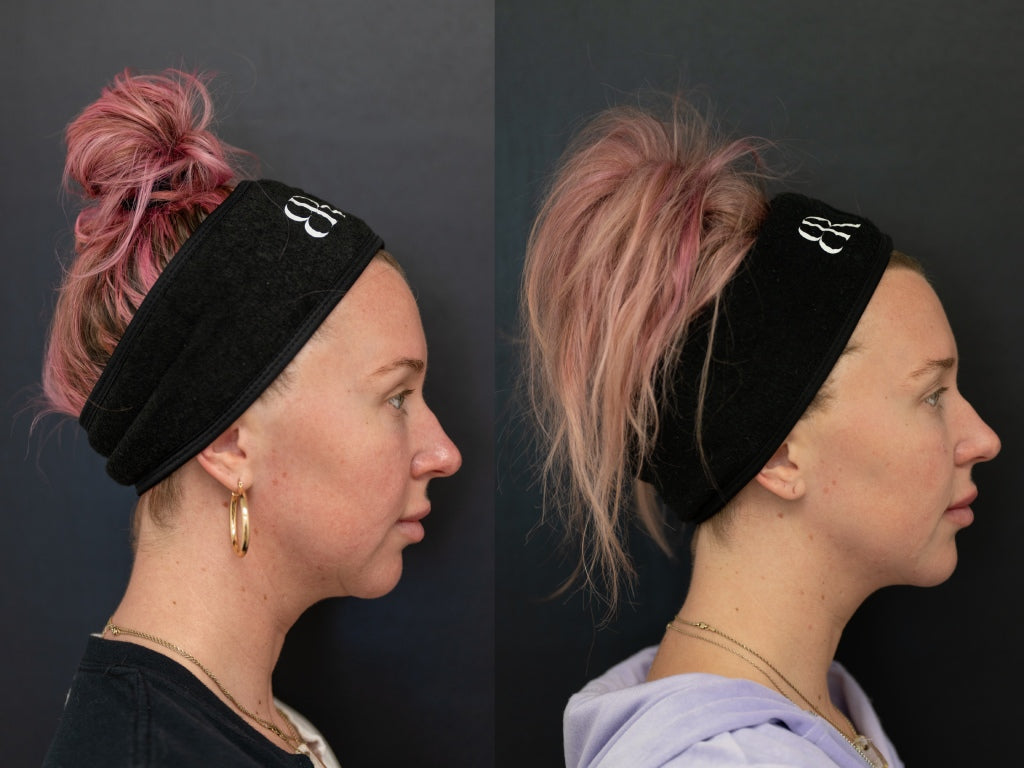
The biggest mistake is assuming that an expensive product, a viral ingredient, or a beautiful before-and-after automatically means the product is going to deliver the results your skin needs.
Why Knowing the Difference Matters
Understanding the difference allows you to make more informed decisions about your skincare routine. Your skin may need hydration and barrier support—or it may need a more targeted approach to address pigmentation, acne, or premature aging.
Instead of following every skincare trend, consider what your skin actually needs. A professional skin consultation can help determine which ingredients and products are appropriate for your individual goals.
What Can’t K-Beauty Skincare treat?
K-Beauty products may not be enough to medically treat or significantly correct more complex skin concerns. Conditions such as moderate-to-severe acne, melasma, significant hyperpigmentation, rosacea, deeper wrinkles, pronounced sun damage, or persistent inflammatory skin conditions may require a more targeted approach. In these cases, professional evaluation and medical-grade skincare or in-office treatments may be more appropriate.
Why Medical-Grade Skincare Can Go Beyond K-Beauty
Medical-grade skincare is designed with a different goal in mind: corrective treatment, not just maintenance. While K-Beauty can be excellent for hydration, soothing, and supporting the skin barrier, medical-grade skincare often contains more targeted, clinically studied ingredients designed to address specific concerns at a deeper level. Depending on the formulation, ingredients such as retinoids, antioxidants, exfoliating acids, pigment-inhibiting agents, and other targeted actives can help improve concerns like acne, hyperpigmentation, melasma, sun damage, fine lines, and uneven skin texture.
Another important difference is that medical-grade skincare is often incorporated into a personalized treatment plan. Instead of simply choosing a trending product, a skincare professional can evaluate your skin and recommend ingredients based on your specific concerns, tolerance, and goals. This individualized approach can make a significant difference when you're trying to correct a persistent concern rather than simply maintain healthy-looking skin.
That doesn't mean K-Beauty has no place in a skincare routine. The key is understanding what your skin needs and what your products are actually formulated to accomplish. When the goal is meaningful correction, medical-grade skincare can provide a more targeted approach to achieving long-term skin health and visible results.
Your skin deserves more than the latest trend—it deserves products chosen with purpose, backed by science, and tailored to you.


Leave a comment